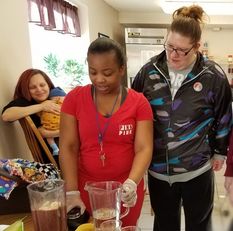
Homelessness affects the entire family; we address the issues that the adults face, but also what is happening with the children from infants to teens.
One of the most unique aspects of Dakota Woodlands is the relationship that we have with the county social services. We work cooperatively to meet the needs of families without duplicating services. Dakota County has a Supportive Housing Unit (SHU) which receives calls from people who are concerned about housing and homelessness. The SHU workers include intake and assessment, homelessness prevention, outreach, financial support and case management.
We believe that families need individualized plans for long-term success. First and foremost, they are homeless and their priority is securing permanent housing. But, they have individual issues, needs and barriers to address so that once they find permanent housing; they will be able to keep it. We begin by helping each family to identify their specific needs and then strategize about the priorities. We also look at the longer-term issues that will take months to address, but work with the residents to break down the steps needed to meet their goals.
Services offered at Dakota Woodlands:
- Support, listening and caring.
- Recognizing the families many strengths and successes.
-
Helping to seek out job opportunities, fill out job applications, follow up on leads, practice interviewing and address personal barriers.
-
A responsible renter series…R.E.N.T (Raising Expectations for Next Time) The curriculum includes: Finding a Place to Live, Rental Application Process and Rental Agreements, Home Care and Healthy Home Issues Budgeting and Financial Education.
-
On-site GED preparation
-
Parenting Education, ECFE Classes
-
Legal Services
-
Addressing health related issues
- Helping residents to develop healthy relationships, feeling good about yourself despite your circumstances, dealing with shame and guilt, taking care of yourself, and setting goals.
- We assess independent living skills and help residents plan for living on their own. Some residents have never lived on their own and need a lot of individual skill building, support and counseling. We assist families with improving their skills in nutrition, cooking, cleaning, parenting, time management, building support systems and accessing resources.
What About the Children?
Children who have experienced homelessness are often traumatized. We provide daily childcare and regularly scheduled opportunities to teach children basic skills. Often, the young children here have never been away from their parents and usually haven’t learned pre-school skills such as sharing, helping to clean-up, accomplishing tasks with other children, learning about friendships and simply playing with others.
We collaborate with School District 196 Early Childhood Family Education. Homeless families typically do not attend ECFE classes due to transportation issues, financial constraints, lack of resources, stress of finding affordable housing for their families and many other major hurdles. We enroll some children in special education pre-school services and refer some others to area Head Start programs.
Teens:
Dakota Woodlands provides excellent educational services. School aged children have unique needs. Children attend local schools. Many shelters do not take children over age 14, especially not boys over 14 years. Dakota Woodlands not only accepts families with children of all ages, we try to address the many needs that each family has, related to their homelessness. We strive to not only keep families together, but to help them see their family strengths and grow together.
After school and during the evenings, we have specific services for school-aged children.
-
Tutoring and homework help
-
Assisting families to attend school related events and activities.
-
We provide organized social, educational and recreational activities.
- We provide opportunities for children to tell their story to a concerned adult.
- We help children realize they are not alone. It is important for children to set goals, to dream and achieve success. They are able to identify their feelings, learn about resolving conflict and improving their communication skills.
|